Describe the vessel
Gather hull, transom and existing equipment information from the vessel documentation.

WAKEON / MARINE PROPULSION
Every journey begins with a vessel.
Every vessel deserves a considered system.
THE PROPULSION COLLECTION
A harbour workboat and a weekend boat begin with different questions. We put vessel context, operating environment and service needs at the centre of an equipment brief, before a motor is specified.
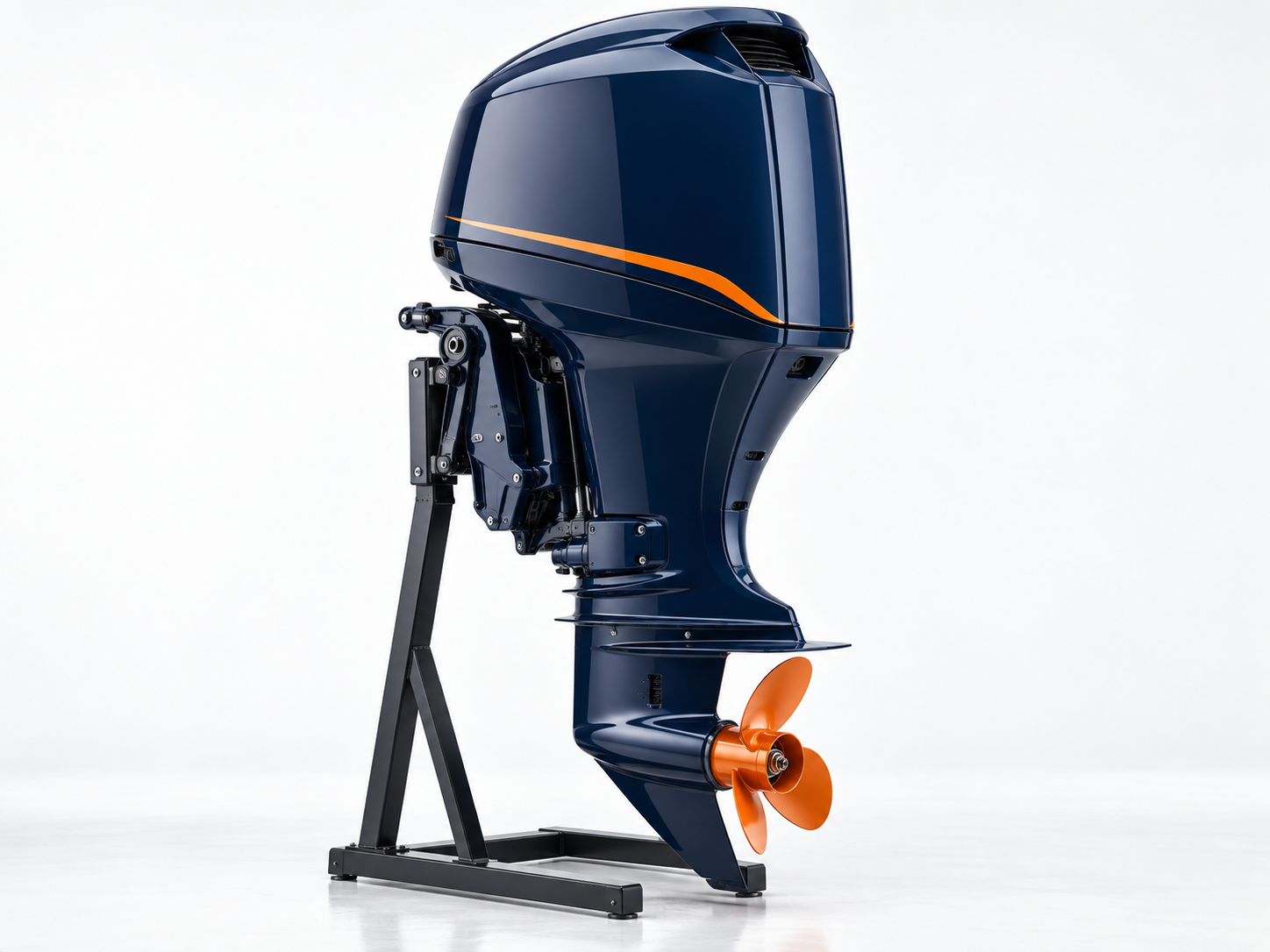
For the early departure.
For the unhurried return.

THE WORKING WATERFRONT
Working boats are part of a place and a routine. Understand that routine before building a list of propulsion requirements.
Describe your vesselSUPPORT BEYOND THE SHORE
The physical arrangement of a motor affects assembly and service access. Our workshop story puts those components in view so a brief can include maintenance as well as the vessel’s intended operation.
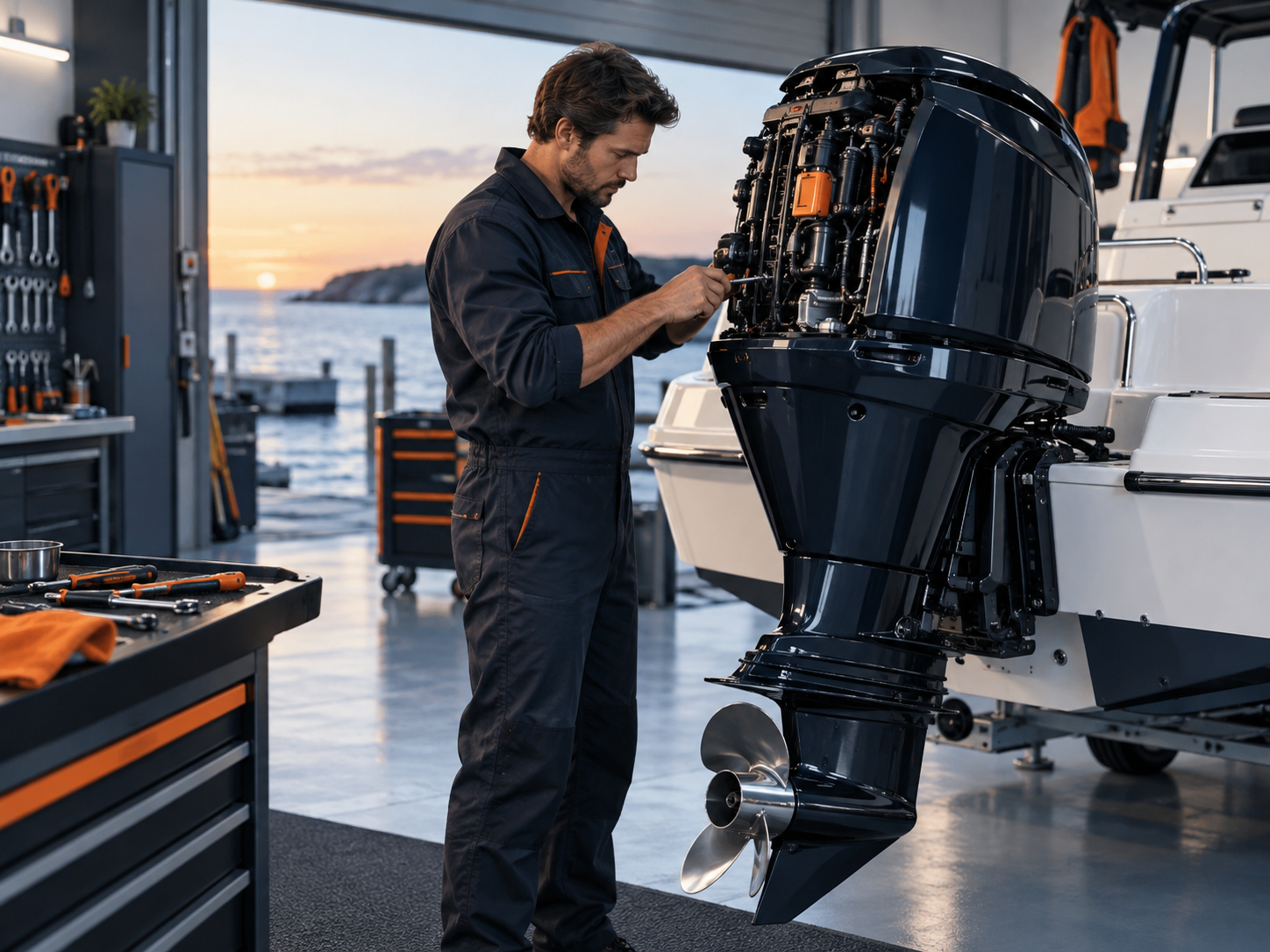
Gather hull, transom and existing equipment information from the vessel documentation.
Record intended use, operating environment and service arrangements.
Take the complete brief to a qualified marine professional for equipment matching.
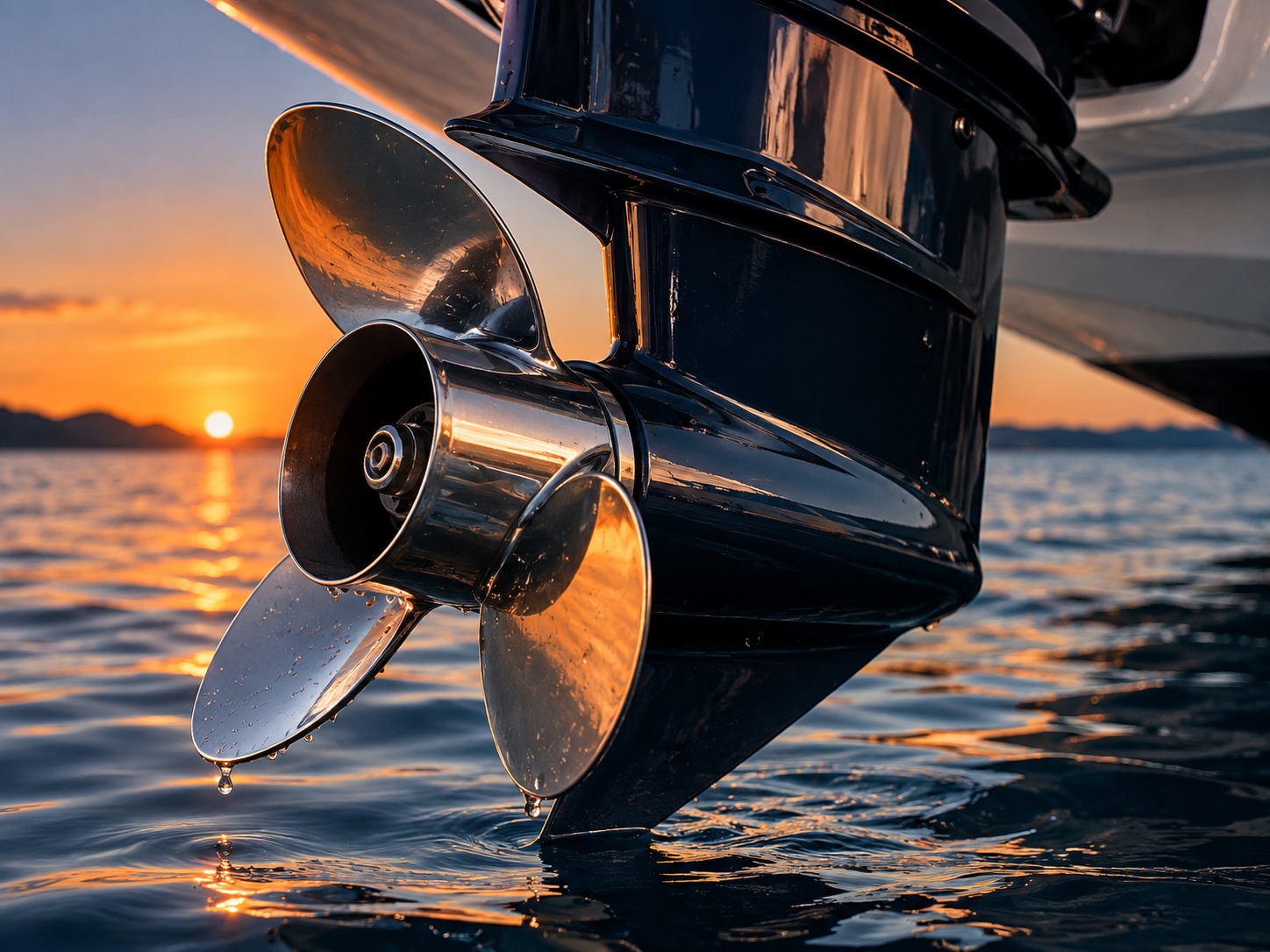
EVERY PART CONNECTED
A propeller and lower housing belong to a complete propulsion system. Actual selection depends on the vessel and operating conditions, to be reviewed by a qualified marine specialist.
THE LOGBOOK
VESSEL
A motor is part of a vessel. Keep the documented vessel requirements at the centre of the discussion.
SERVICE
Access, documentation and maintenance support are useful questions before an equipment decision.
CONTEXT
An operating pattern can communicate the intended use more clearly than a single headline specification.
No. It organises an initial brief. Motor and propeller matching requires a qualified vessel-specific assessment.
No. It only lists project discussion topics and is not a navigation or safety checklist.
The images and collection are original design concepts, with no rated output or certification claims.
WAKEON / A conversation starts here
Gather the ideas that matter to you. Leave with a clearer starting point for your next conversation.